“Selective separation of liposomes based on glycan structures via lectin affinity interactions”
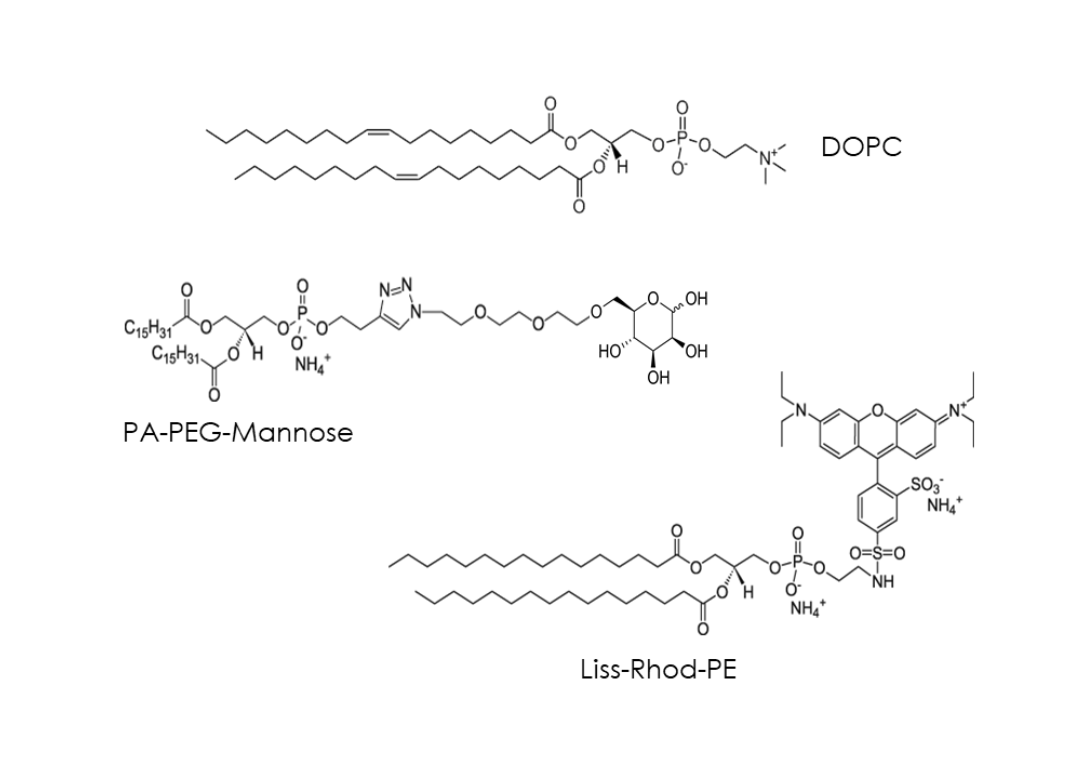
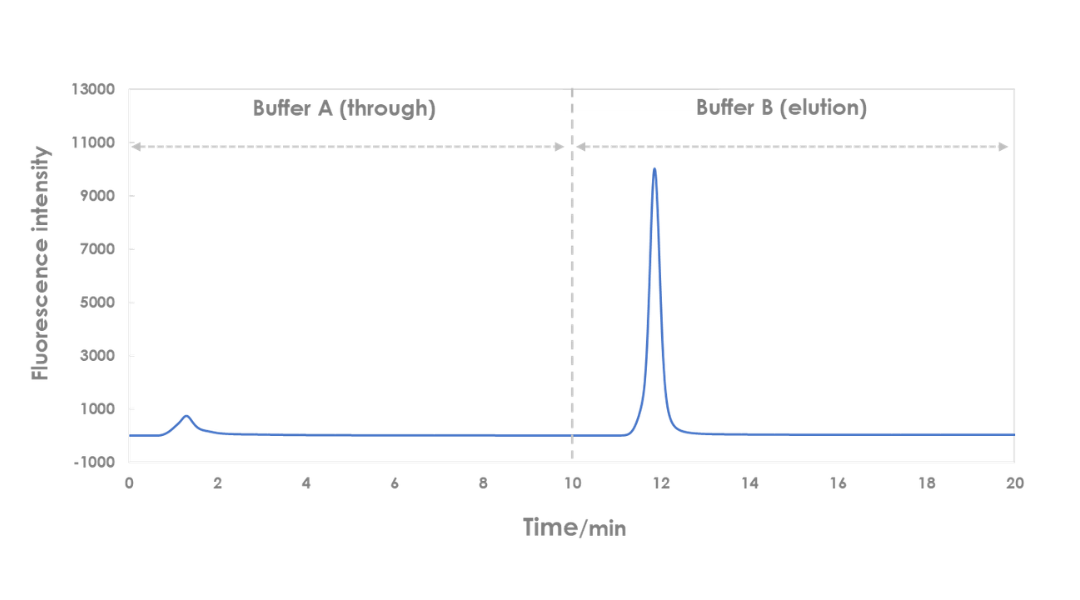
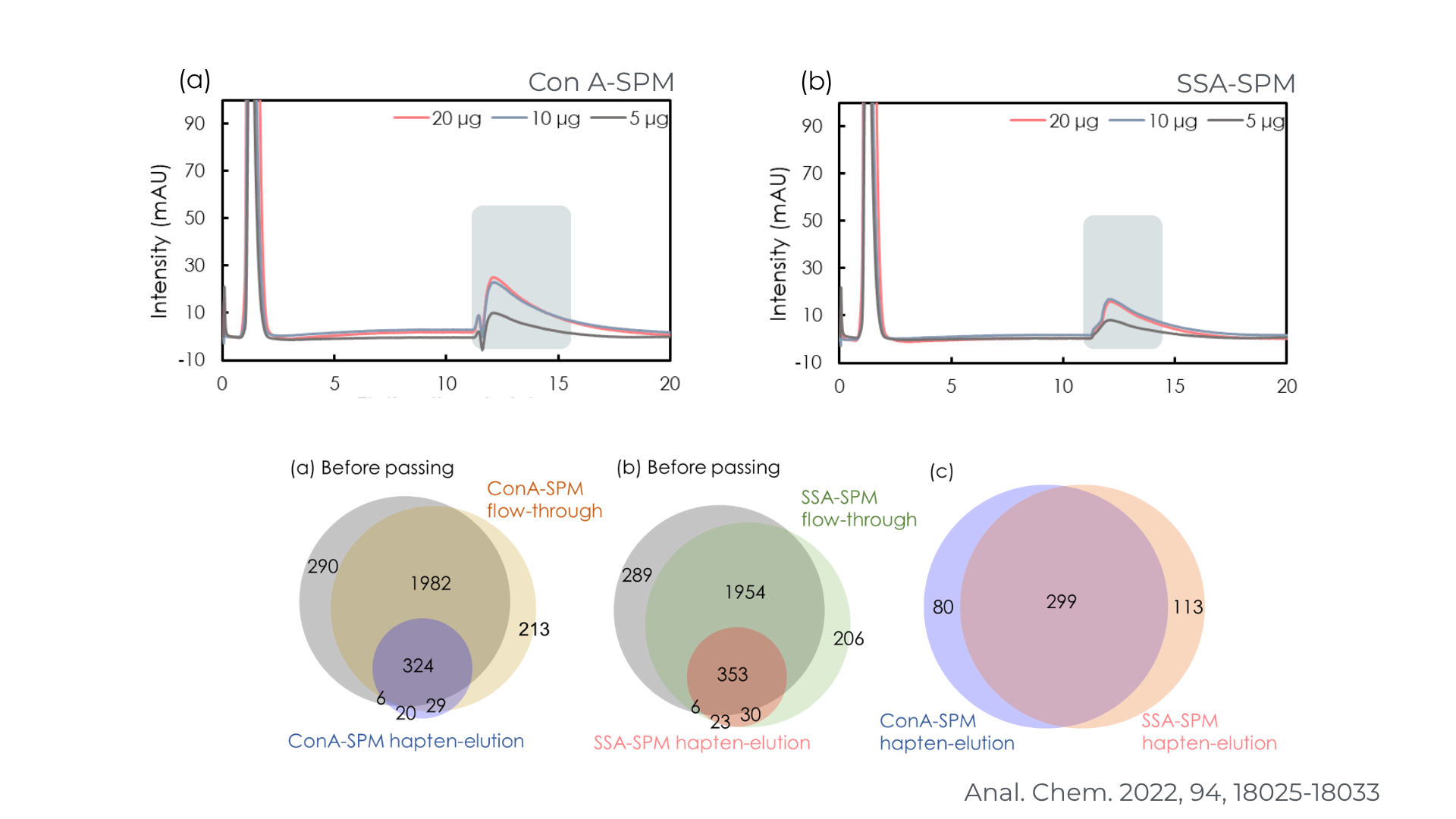
Liposomes can be separated using affinity columns in which lectins were immobilized onto the SPM. Upon sample introduction, liposomes interact selectively with the immobilized lectins depending on the glycan structures present on their surfaces. Liposomes with specific glycans are retained in the column, while non-interacting species are eluted in the flow-through fraction. Subsequently, bound liposomes are selectively eluted by introducing a solution containing hapten sugars, which competitively disrupt the lectin–glycan interactions.
“Rapid and Highly Selective Exosome Isolation via Phospholipid Recognition”
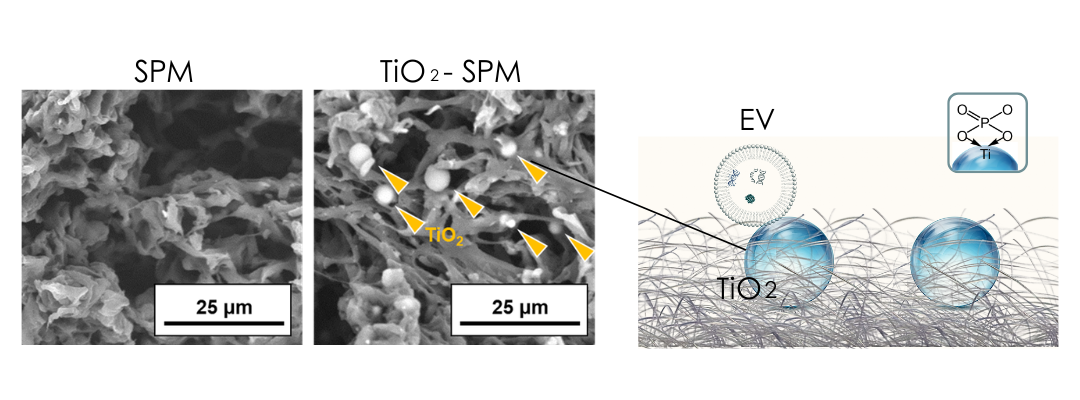
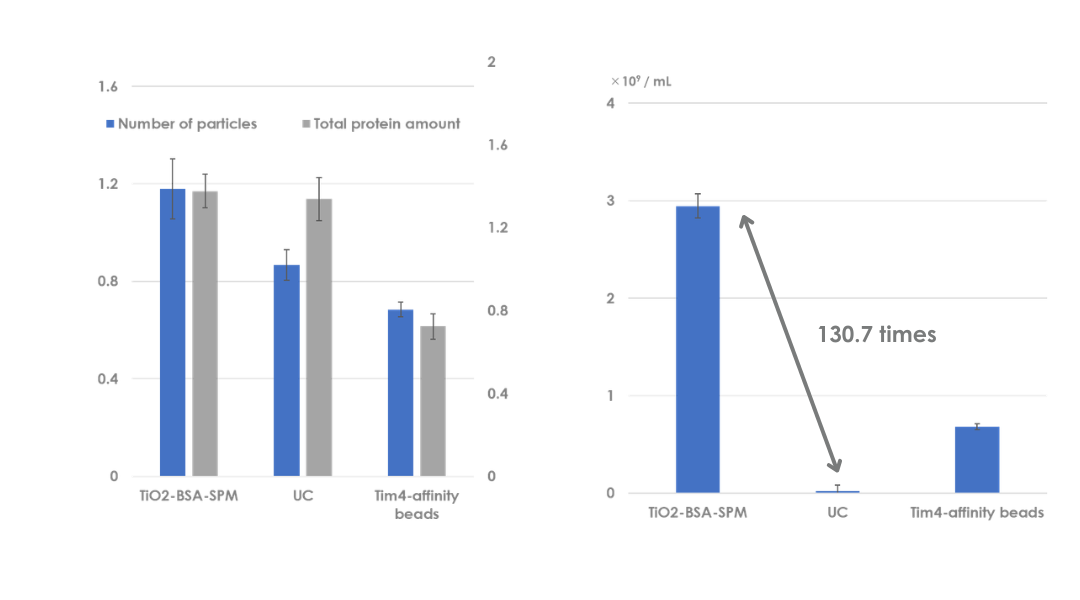
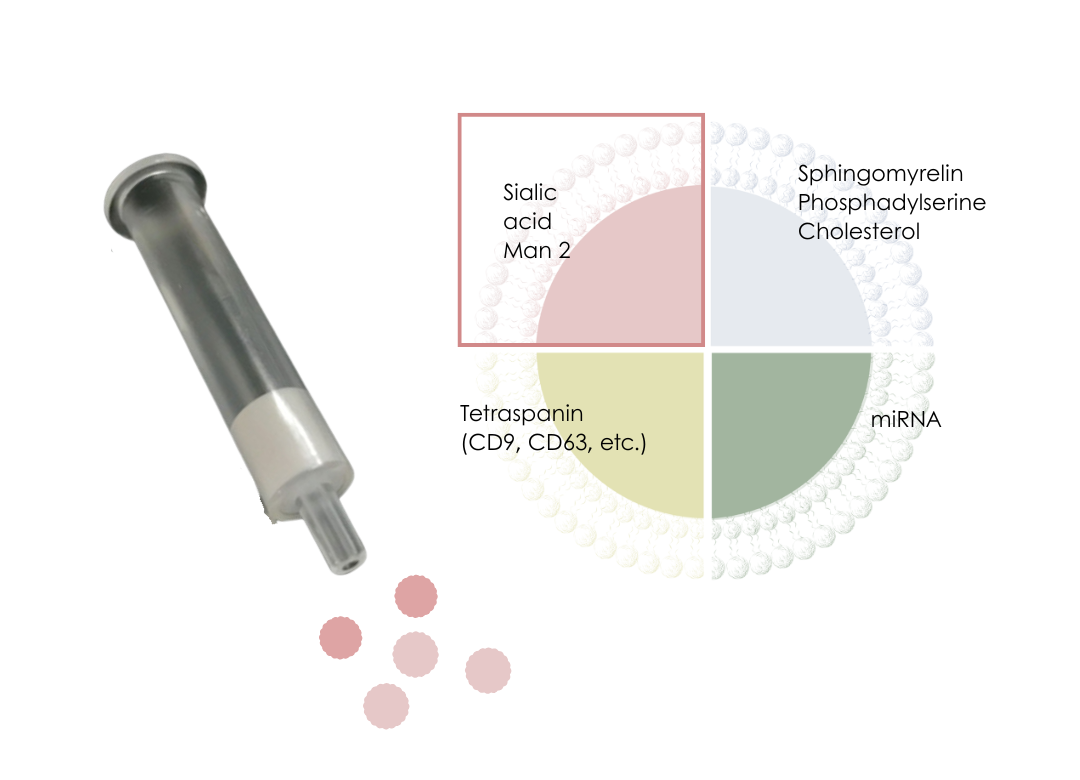
A titanium dioxide (TiO₂)-modified SPM column enables an efficient method for the separation and enrichment of exosomes. The TiO₂ surface exhibits strong affinity toward phosphate groups, enabling selective interaction with phospholipids on the exosome membrane. Exosomes are effectively captured and subsequently eluted under mild conditions using phosphate-containing solutions, maintaining high recovery. This approach provides a simple and rapid alternative to conventional ultracentrifugation, making it a promising technique for exosome isolation in biomarker analysis and diagnostic applications.
“Selective Exosome Isolation via Glycan Recognition”
SPM columns immobilized with lectins (such as ConA and SSA) selectively separate extracellular vesicles (EVs), including exosomes. The immobilized lectins specifically recognize glycan structures on the surface of EVs, enabling selective capture of target vesicles. The bound EVs are then gently eluted using hapten sugars, allowing recovery while preserving their structural integrity and functionality. This method enables glycan-based fractionation of EVs, offering a powerful tool for separating EV subpopulations and facilitating detailed functional and biomarker analyses that are difficult to achieve with conventional techniques.
“Rapid separation and recovery of viral particles, including SARS-CoV-2-related particles, using an SPM column.”
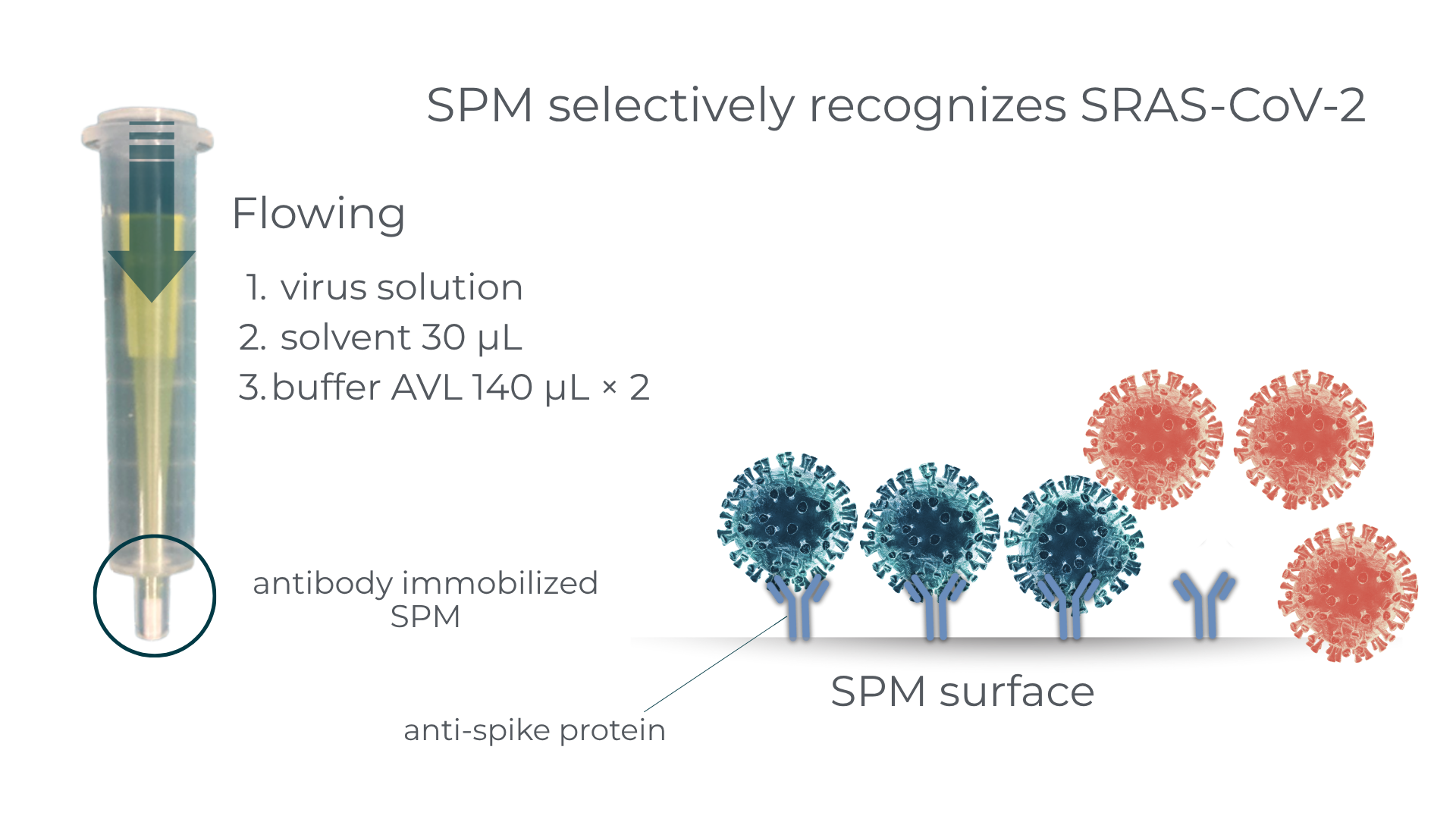
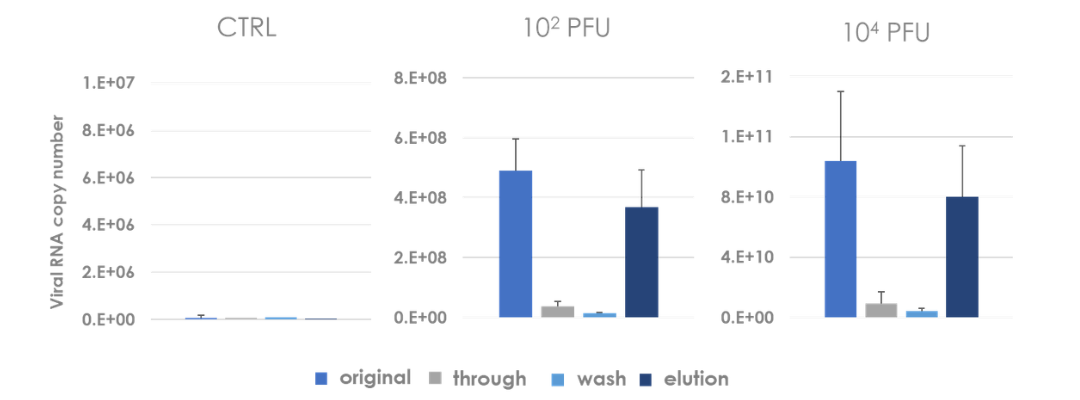
By introducing functional molecules such as antibodies or receptors onto the SPM surface, target viruses can be selectively captured. The captured particles are subsequently eluted under mild conditions, allowing recovery while preserving their structure and biological activity. Compared to conventional methods such as centrifugation and membrane filtration, this approach offers a faster and simpler alternative.